Why AI Workloads Are Changing Server Hardware
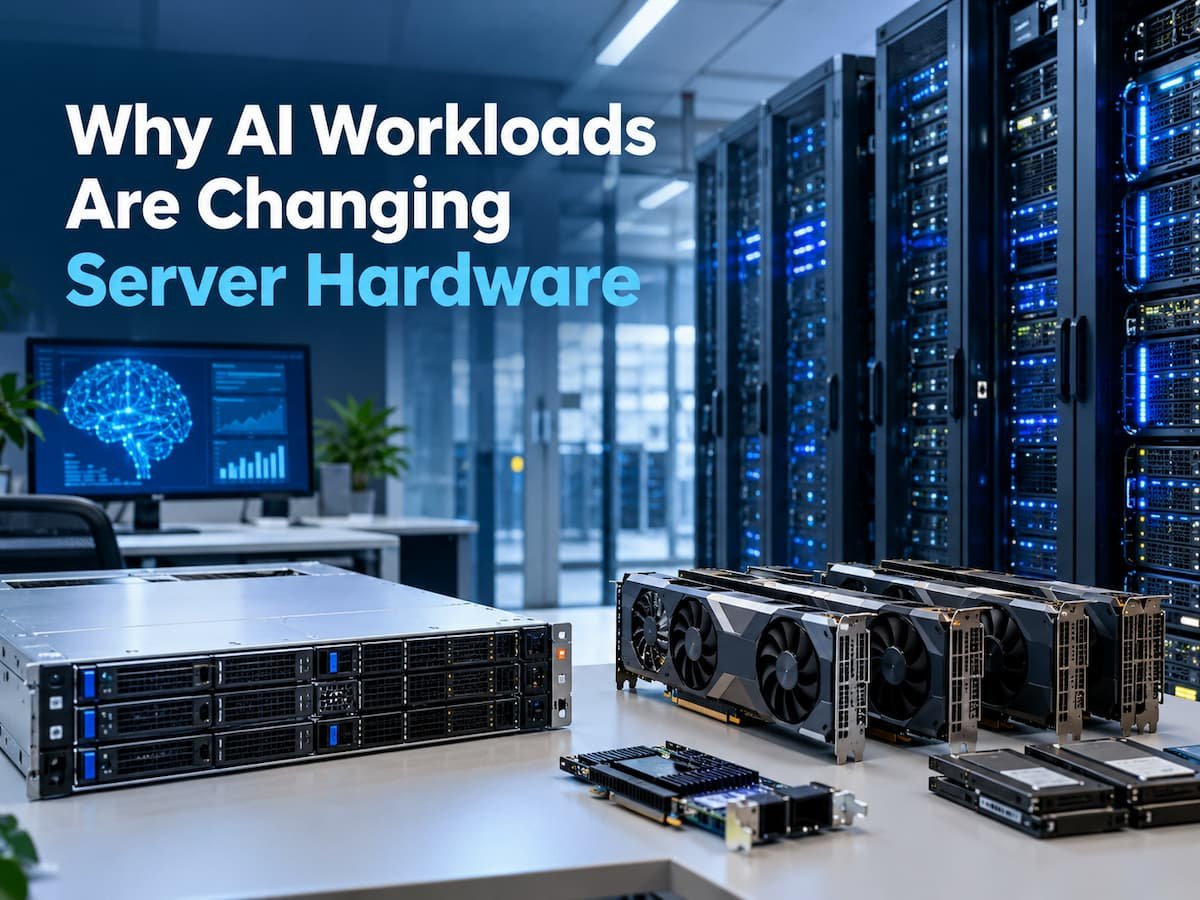
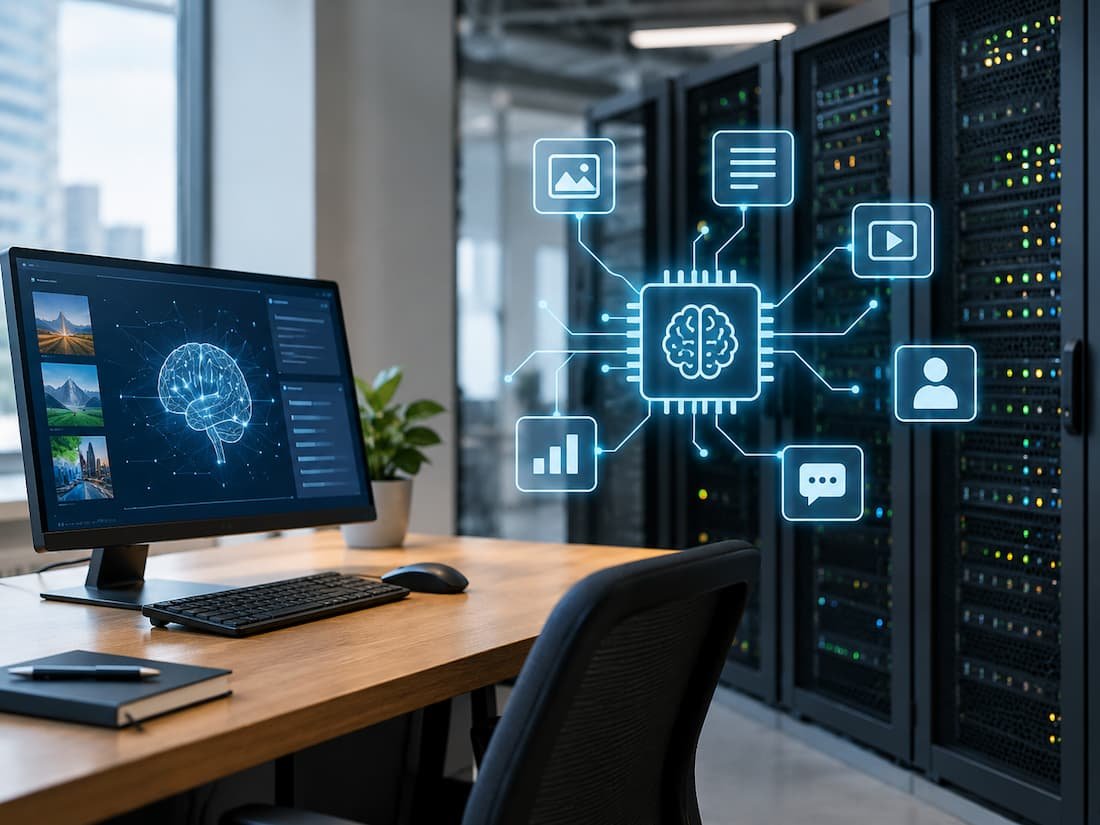
When an ordinary web application receives a request, the server may spend much of its time moving through familiar layers: CPU instructions, system memory, storage, network interfaces, and software services. Many workloads consist of relatively small bursts of computation, followed by waiting for data. AI workloads change that balance. Training a large model can keep … Read more


Internet Speeds Change Throughout the Day: What Can Cause It?

Internet speed that is fast in the morning and noticeably slower in the evening is often blamed on the internet provider, but the time-of-day pattern alone does not identify the cause. The slowdown can originate inside the home, on the Wi-Fi link, at the router, somewhere in the ISP’s access network, along an upstream route, … Read more

Why AI Inference Is Becoming a Bigger Infrastructure Problem

For years, the most visible infrastructure challenge in artificial intelligence was training. Companies built enormous clusters to train increasingly large models, competed for advanced accelerators, and invested heavily in data centers capable of supplying those systems with enough power and cooling. That picture is changing. The harder infrastructure question is increasingly what happens after the … Read more

Why Internet Speed Tests Often Differ From Real Download Performance

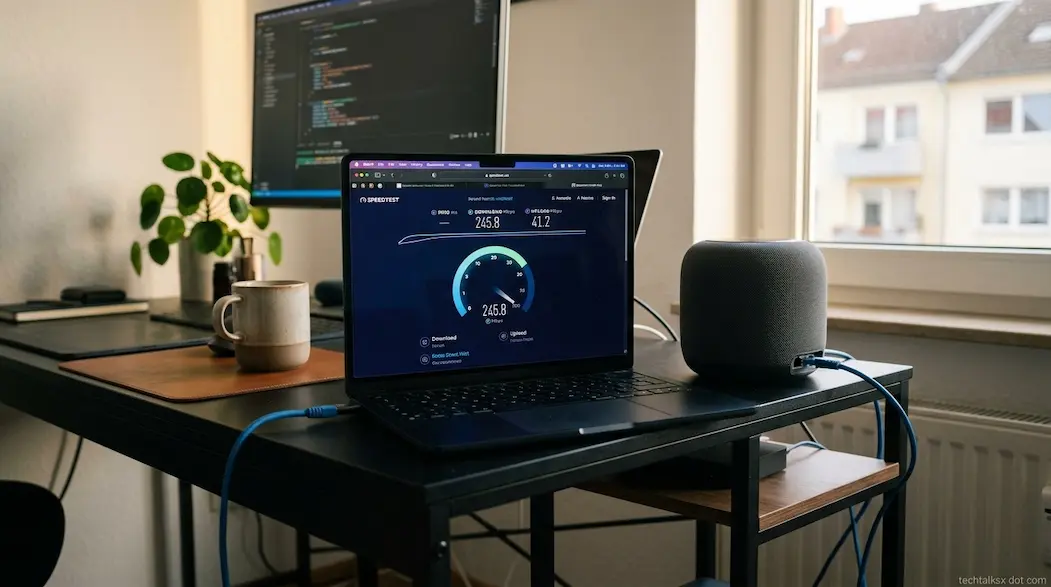
A speed test can say 500 Mbps while a large file appears to download at 35 MB/s. Another test may report 700 Mbps, while a download from a particular website barely reaches 20 MB/s. At first glance, these numbers seem contradictory. Usually, they aren’t. The underlying problem is that “internet speed” is not a single … Read more

The Sequence of Events Behind a Computer Startup

Pressing a computer’s power button appears to trigger one simple action: the machine turns on, a logo appears, and eventually the operating system loads. Underneath that short visual sequence is a chain of electrical, firmware, hardware, security, storage, and operating-system operations. The important detail is that the operating system is not the first software that … Read more

Why Managing Multiple Digital Accounts Gets Harder Over Time

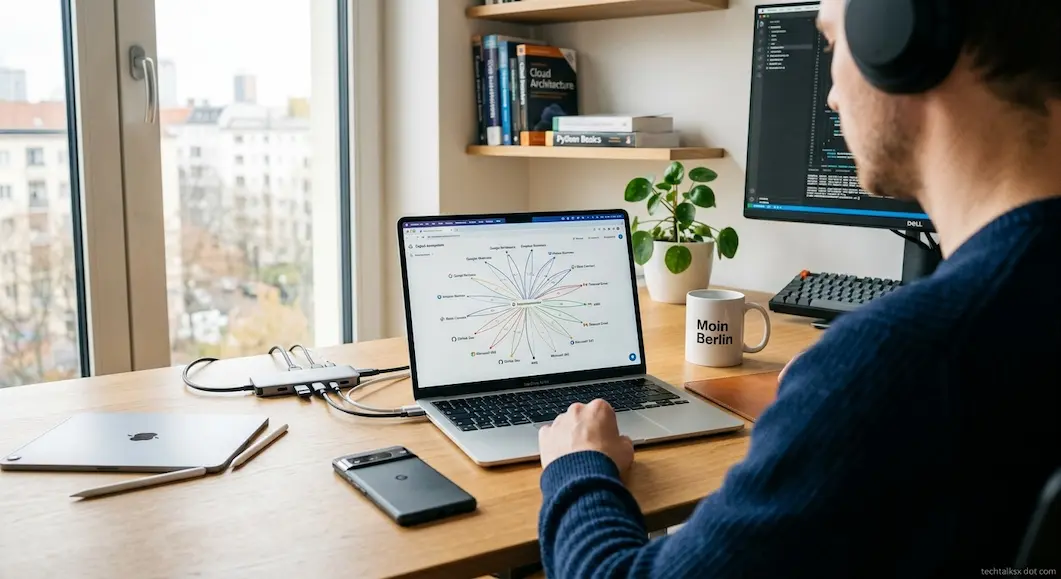
Managing one online account is usually straightforward. You know the email address, the password, the recovery method, and roughly what the account contains. The difficulty starts when one account becomes five, then fifteen, then dozens spread across email, cloud storage, shopping, banking, social networks, work services, subscriptions, devices, and apps. The problem is not simply … Read more

One Computer Detects the USB Device, Another Doesn’t

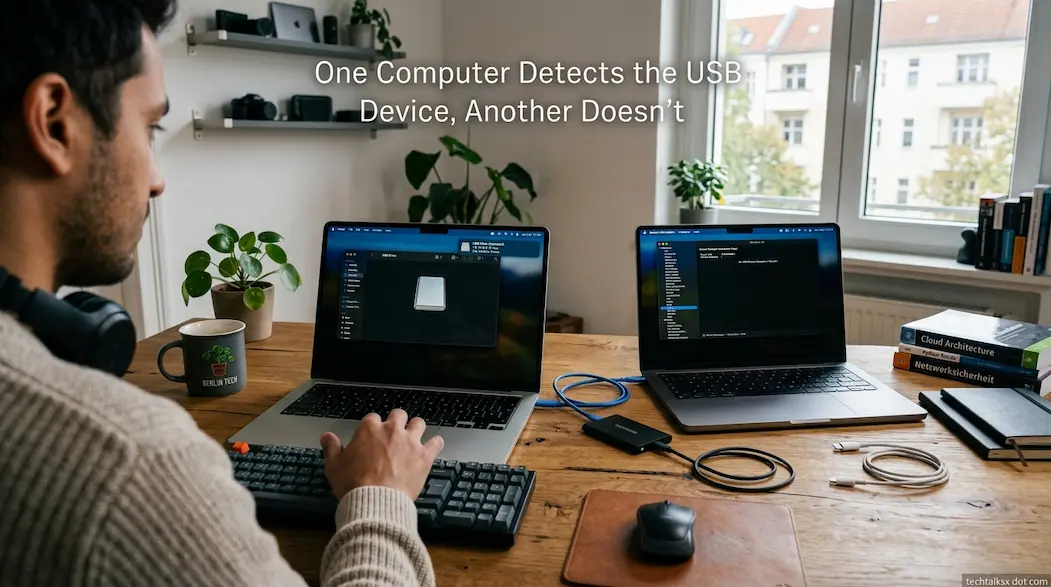
When a USB device works normally on one computer but appears completely undetected on another, the device itself is not automatically the problem. The fact that it works elsewhere is useful evidence, but it does not prove that every part of the device is compatible with the second computer. USB detection involves several layers. The … Read more

Passwordless Authentication Is Changing What Counts as Identity

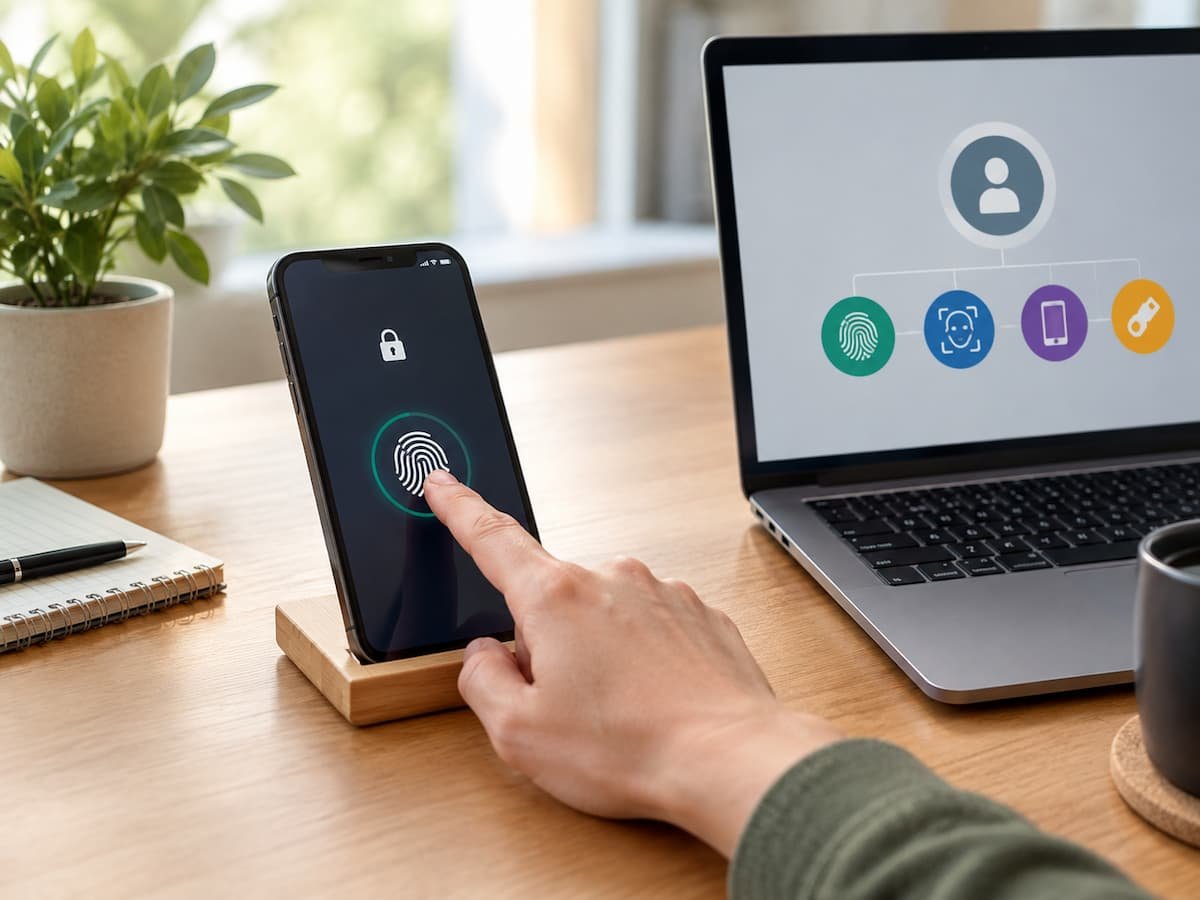
For years, the password was treated as the basic proof that an online account belonged to a particular person. That model is now being replaced by something fundamentally different: cryptographic credentials stored on devices, security keys, or credential managers, unlocked through a local gesture such as a fingerprint, face scan, or PIN. The shift is … Read more