When More RAM Matters—and When It Barely Changes Anything
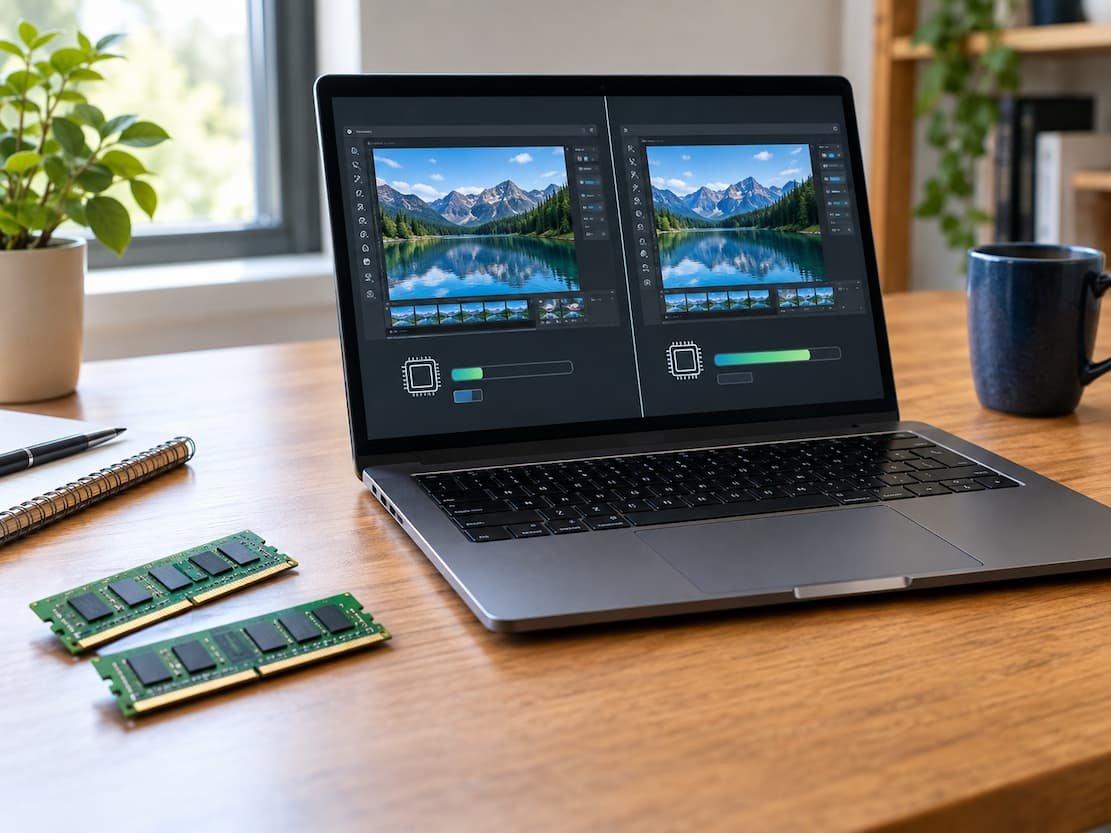
Buying more RAM is one of the easiest PC upgrades to misunderstand. A system with 64GB of memory sounds substantially more capable than one with 16GB, but the extra capacity does not automatically make applications open faster, games render more frames, or a processor execute work more quickly. RAM capacity primarily determines how much active … Read more
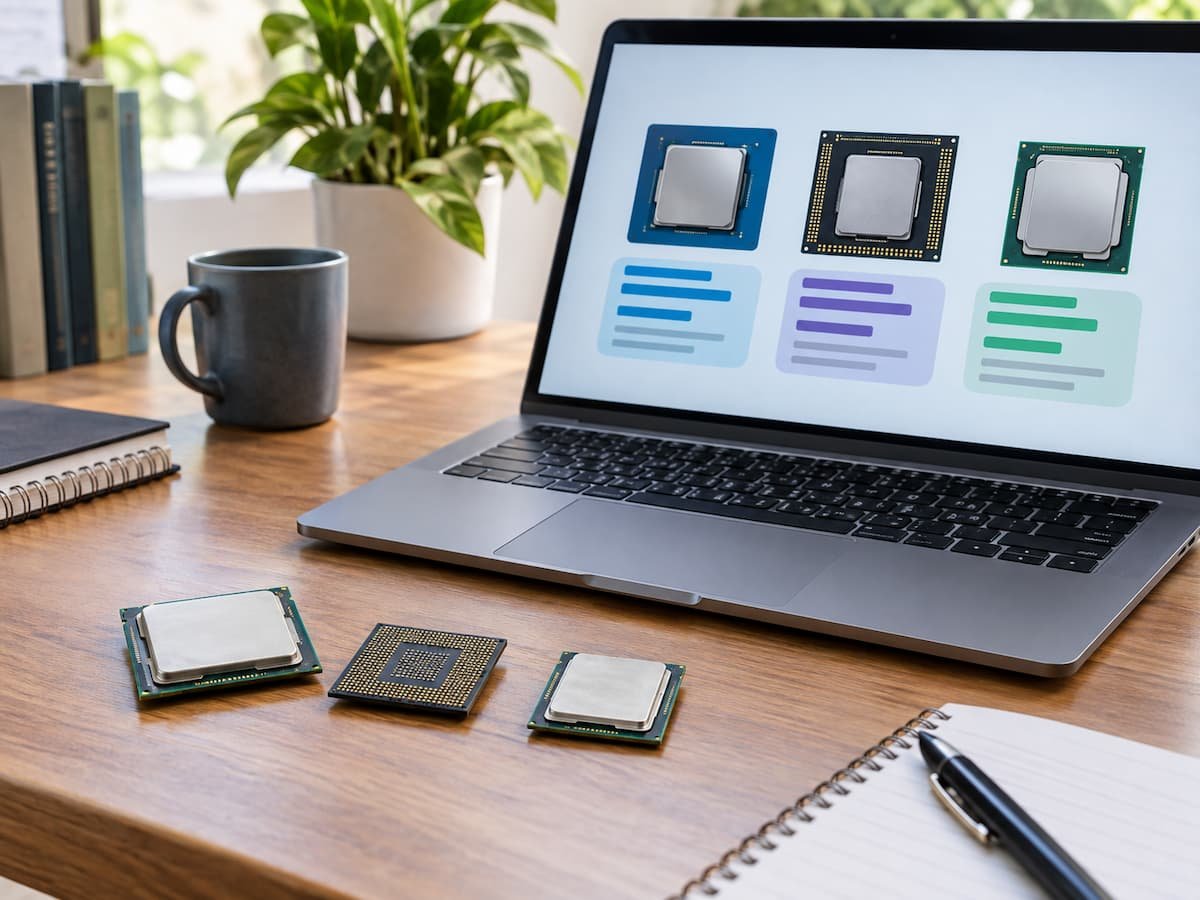
Wi-Fi 6, Wi-Fi 6E and Wi-Fi 7: What Changes in Practice

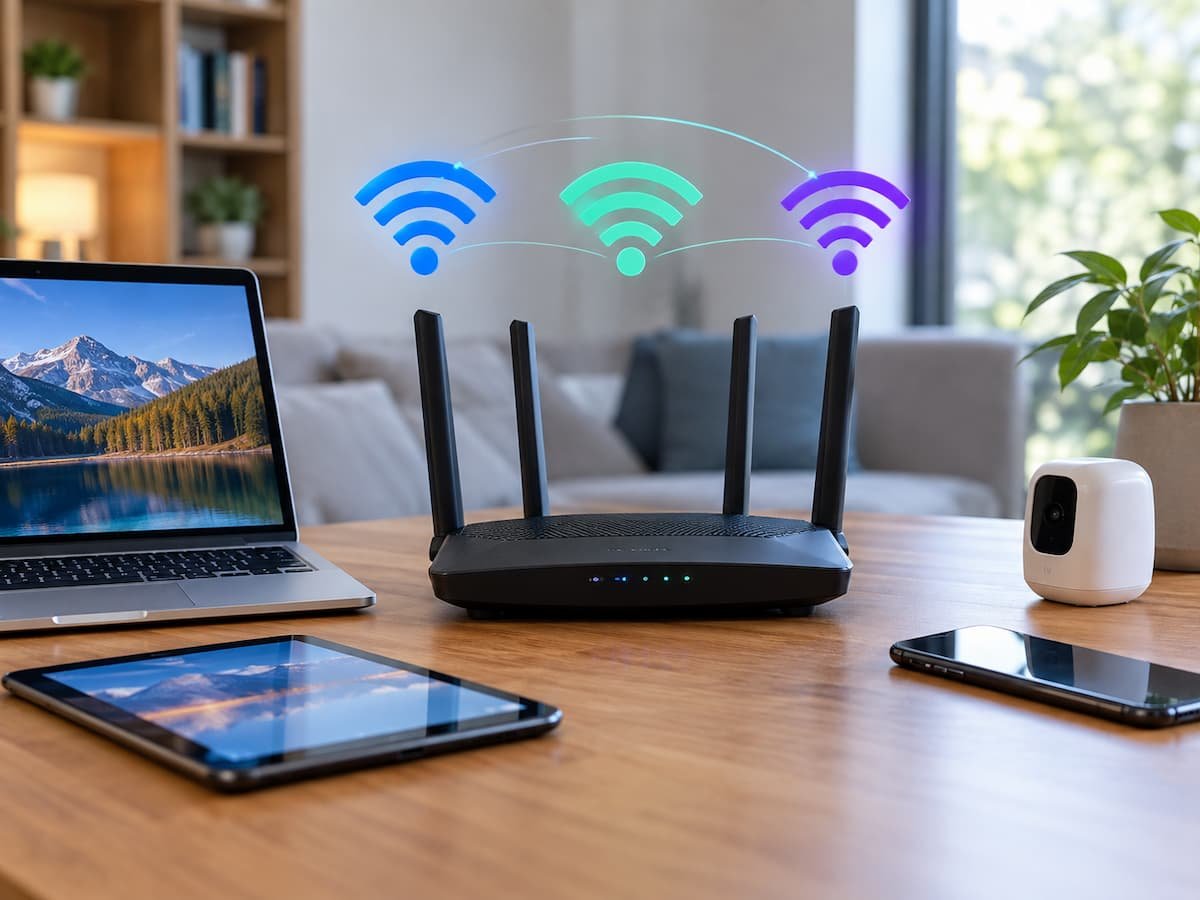
Wi-Fi generations are often presented as if a newer number automatically means a faster internet connection. In practice, the difference between Wi-Fi 6, Wi-Fi 6E, and Wi-Fi 7 is more complicated. The standards change how wireless devices use spectrum, how much data can be transmitted at once, and how connections behave when several devices compete … Read more

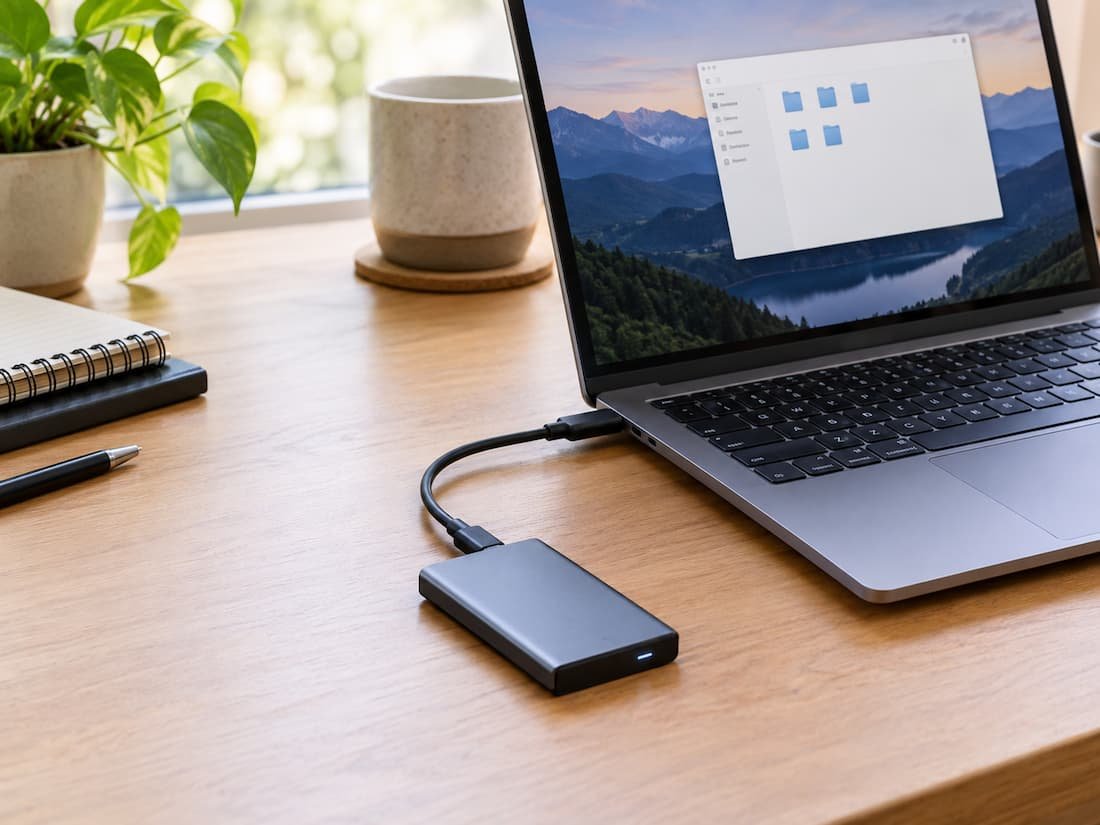
When an External SSD Makes More Sense Than Internal Storage

Internal SSDs are usually treated as the obvious choice for fast storage. They sit directly inside the computer, connect through the system’s high-speed storage interface, and avoid the extra connection between the drive and the machine. For an operating-system drive or software that constantly accesses small files, that arrangement still has important advantages. But that … Read more

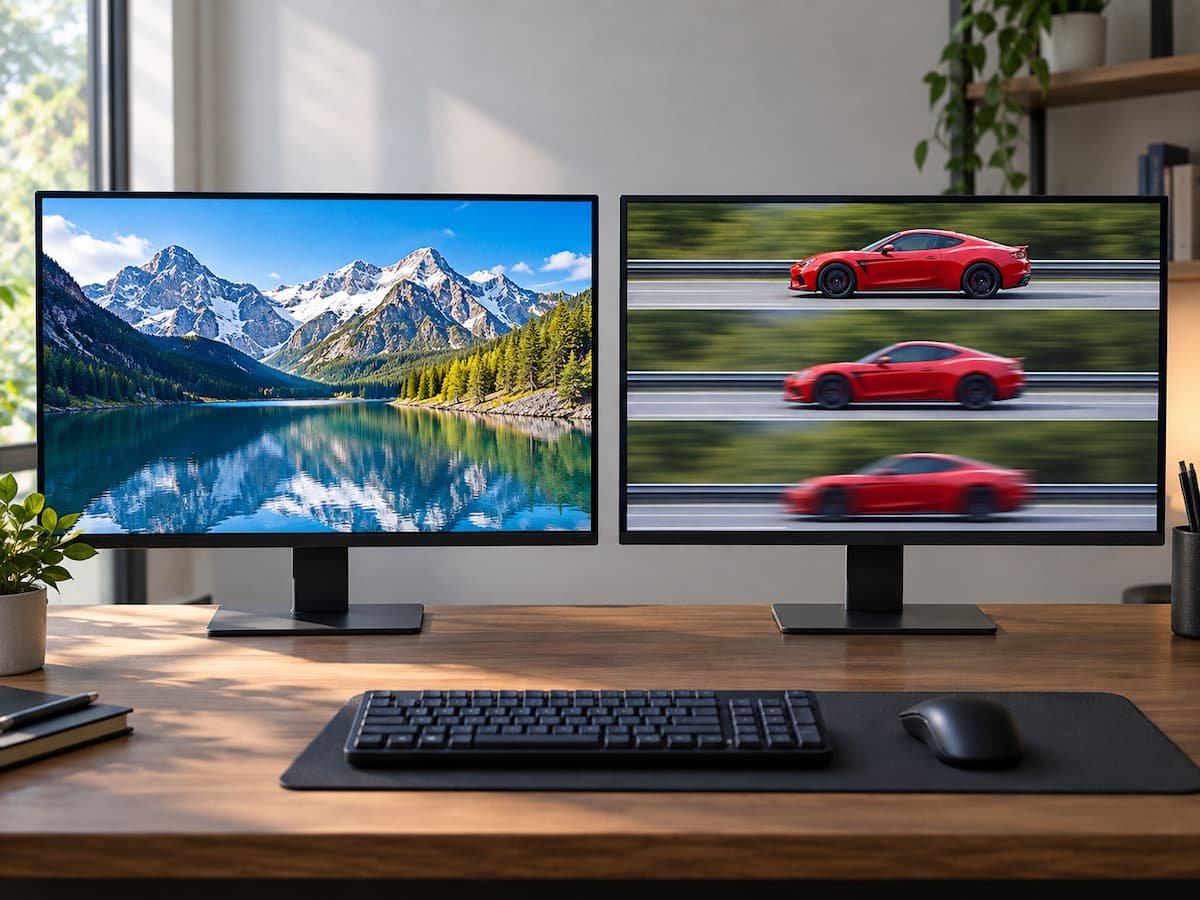
Higher Display Resolution or Higher Refresh Rate: Which Changes More?

When choosing between two displays, the specification sheet can make the decision look deceptively simple. One monitor might offer 4K resolution at 60Hz, while another offers 1440p at 165Hz. A laptop may have a 2560×1600 panel running at 120Hz, while a similar model uses a lower-resolution 1920×1200 display at 165Hz. Both numbers describe something real, … Read more

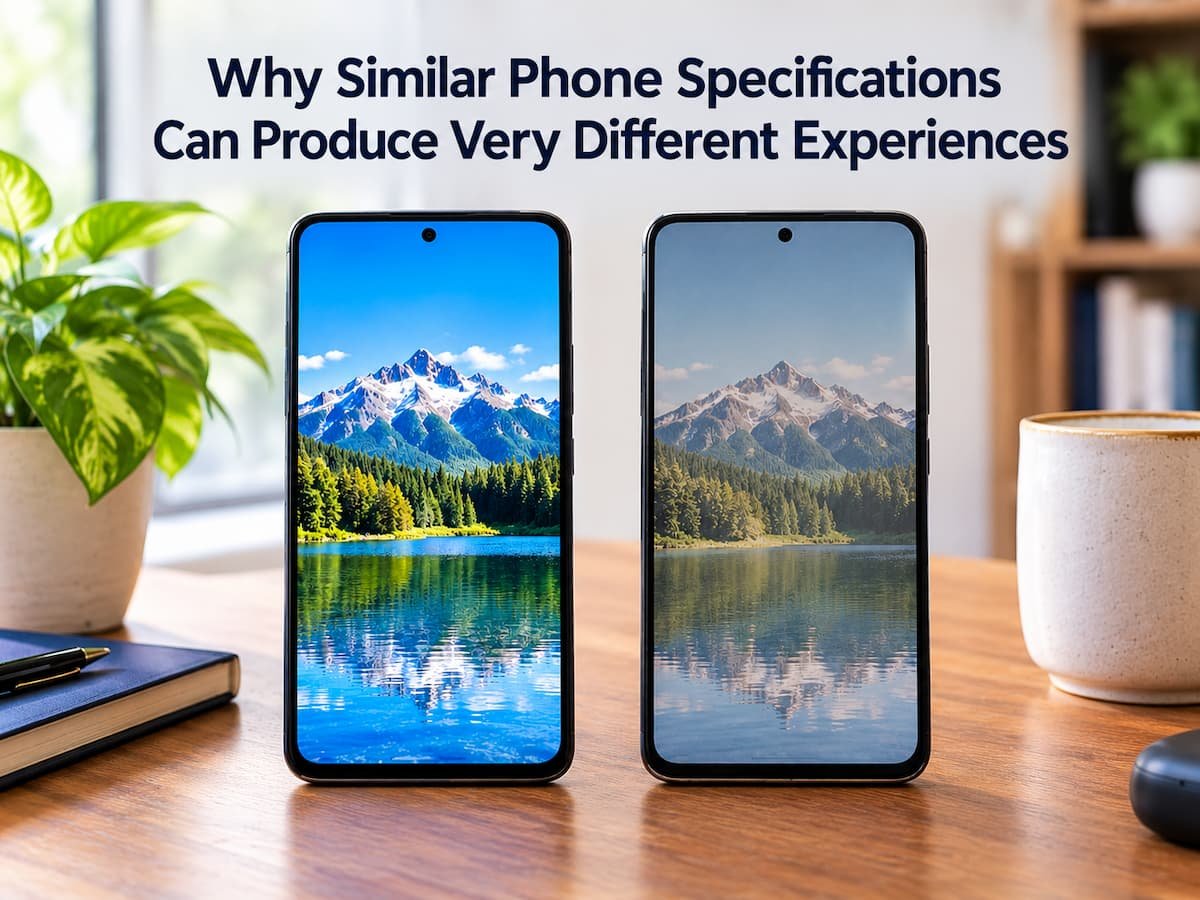
Why Similar Phone Specifications Can Produce Very Different Experiences

A phone specification sheet creates the impression that smartphones can be compared like spreadsheets. One model has 12GB of RAM; another has 12GB. Both have 50MP main cameras, 5,000mAh batteries, 120Hz OLED displays, and eight-core processors. On paper, they appear remarkably close. Then you use them. One phone may feel consistently responsive, take better photographs … Read more